A structure and responsibilities defined by the association’s statutes.
Smart YIRIBA’s governance rests on three bodies defined in its statutes: the General Assembly, the Executive Board and the Advisory Committee.
The statutes of 15 May 2018 define the bodies and roles presented here. This page does not identify the current holders of the other board roles.
Three bodies with defined responsibilities
01 · Guide and oversee
General Assembly
Composed of the association’s members, the General Assembly is the supreme and sovereign body. It provides strategic direction and oversees activities and compliance with procedures and internal regulations.
Meets at least once a year in an ordinary session.
Deliberates on decisions proposed by the Executive Board and adopts internal regulations.
Reviews the annual activity and financial report and approves the accounts for the completed financial year.
Elects the members of the Executive Board (Article 18).
Articles 11 and 13
02 · Manage and implement
Executive Board
As the executive body, the board handles Smart YIRIBA’s day-to-day management and implements its activities and programmes. Board positions are in principle voluntary.
Sets the action plan and budget.
Accepts donations and bequests and authorises the operations specified in the statutes outside routine management.
Sets the conditions for recruiting and remunerating programme staff.
Establishes programme directorates with operational autonomy under its responsibility.
Articles 11, 12 and 14
03 · Analyse and advise
Advisory Committee
On request, the Advisory Committee provides analyses, reflections and proposals for actions and activities.
Meets as needed.
Is convened by the Executive Board.
Articles 11 and 15
Statutory composition of the board
Under Article 18, the General Assembly elects a six-member board. Article 14 sets out the responsibilities of the President, Secretary General and Treasurer.
President
Represents the association in civil matters and authorises expenditure.
Secretary General
Handles general administration and replaces the President in their absence.
Deputy Secretary General
A position included in the board composition under Article 18.
Communications Officer
A position included in the board composition under Article 18.
Organising Secretary
A position included in the board composition under Article 18.
Treasurer
Collects income and pays expenses.
Decisions, elections and transparency
Elections
The President is elected by vote and the General Assembly elects the board. Voters must be members of the General Assembly and up to date with their dues. Eligibility criteria are set out in Article 17.
Articles 16 to 18
Extraordinary assemblies
An extraordinary assembly may be convened at the President’s initiative or at the request of at least two thirds of the General Assembly’s members.
Article 13
Amending the statutes
Amendments to the statutes require a General Assembly decision by a two-thirds majority of active members present. Internal regulations supplement the statutory provisions.
Articles 19 and 21
Founding members
Article 8 of the 2018 statutes names the five founding members listed below. This historical list does not imply their current roles.
Aboul Hassane CISSE
Kadiatou DOUMBIA
Mata DICKO
Hama YATTARA
Moussa MAIGA
Presidency and institutional representation
Aboul Hassane CISSE
Association presidency
Aboul Hassane CISSE
Executive President Representative of the Association in civil matters
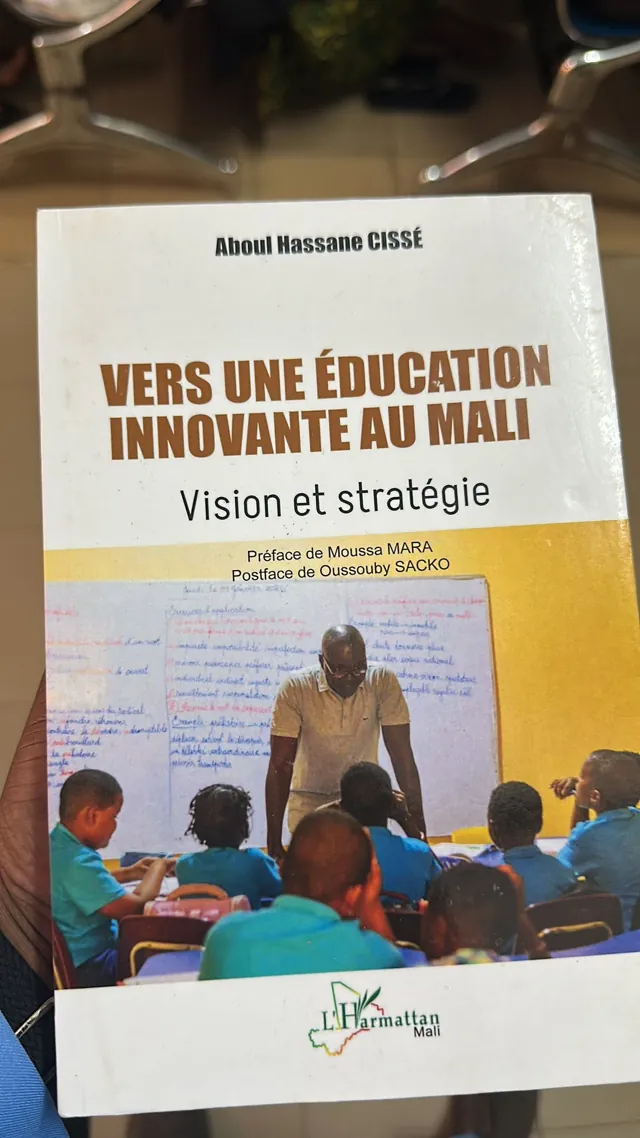
A founding member, he signed the statutes of 15 May 2018 as Executive President. Article 14 also makes the President responsible for authorising expenditure.
Transparency and funding
Article 10 of the statutes provides for the following sources of funding:
Membership dues
Income from programmes and services
Grants
Donations
Bequests
The General Assembly examines the activity and financial report and approves the annual accounts (Article 13). No financial report or annual accounts are currently published on the website.